
Anxiety or Sensory Overload? How to Tell the Difference

Your child suddenly can't cope. They cover their ears, refuse to go in, melt down at the door or shut down completely. In the moment, it can be almost impossible to know whether you are watching anxiety or sensory overload as the two are easy to mistake for one another.
This distinction matters. Anxiety and sensory overload can look almost identical from the outside, yet they often call for different responses. Identifying each correctly helps you support your child in the moment and, over time, reduce how often these hard moments happen.
What is anxiety in children?
Anxiety in children is a response to a predicted threat, in other words - a sense that something bad might happen. The child's mind runs ahead to a feared outcome ("I'll get it wrong," "everyone will look at me," "I won't cope"), and the body prepares to protect them. This can show up as a racing heart, a sore stomach, avoidance, reassurance-seeking, irritability or refusal.
The key feature of anxiety is anticipation. The distress is driven by what might happen, so it often builds before an event and eases once the feared situation is safely over or avoided.
What is sensory overload?
Sensory overload happens when the amount of sensory information coming in becomes more than the child's nervous system can comfortably process. It is not a prediction about the future, it is a direct, in-the-moment response to something the body is experiencing right now. That could be anything from fluorescent lighting to hallway noise, a scratchy uniform tag, strong smells, crowds, or several of these all at once.
Sensory processing differences are common in neurodivergent youth and are recognised as part of autism, though they also occur alongside ADHD and on their own.
New Zealand health guidance notes that when a child is over-sensitive to sensory information, they may become anxious, withdraw, try to avoid certain situations, become controlling as they attempt to ward off overload, or have frequent meltdowns as a result of it.
This relationship between sensory overload and anxiety is exactly why the two can be so hard to tell apart.
Why anxiety and sensory overload look so alike

Anxiety and sensory overload share a common pathway: a stressed and overwhelmed nervous system. Both can produce fast breathing, a pounding heart, distress, escape, tears, anger or shutdown. A child in either state may cover their ears, run, freeze or refuse. The behaviour alone rarely tells you which one you're seeing.
They also frequently occur together, and research suggests they are genuinely linked rather than simply coincidental. A meta-analysis of studies in autistic children found consistent associations between sensory processing differences and internalising difficulties such as anxiety. So it is entirely possible for a child to be anxious and be experiencing sensory overload in the same moment, each feeding the other.
How to tell the difference between anxiety and sensory overload: Questions that help
The most useful way to tell the difference is to look at what triggers the distress and what settles it. A few questions can point you in the right direction:
What came first, a thought or a sensation? Anxiety usually starts with a prediction ("what if…"). Sensory overload usually starts with input: the noise, the crowd, the smell, the light.
Does it build in anticipation or arrive on contact? Anxiety often ramps up beforehand. Sensory overload tends to hit once the child is actually in the environment.
What helps it settle? Reassurance, information, and a manageable "brave step" tend to ease anxiety. Reducing the sensory load - leaving the room, dimming lights, removing the itchy clothing, quiet and space, tends to ease overload.
Would talking it through help right now? With anxiety, gentle discussion once the child is calmer can help. During sensory overload, more words usually make things worse; the nervous system needs less input, not more.
Is the trigger a genuine sensory demand? If the same setting reliably causes distress - the assembly hall, the supermarket, the school bell - sensory overload is worth strong consideration.
None of these is a perfect test, and a child experiencing both won't fit neatly into one column. But the pattern that emerges over several incidents is usually more revealing than any single moment.
When anxiety and sensory overload happen together
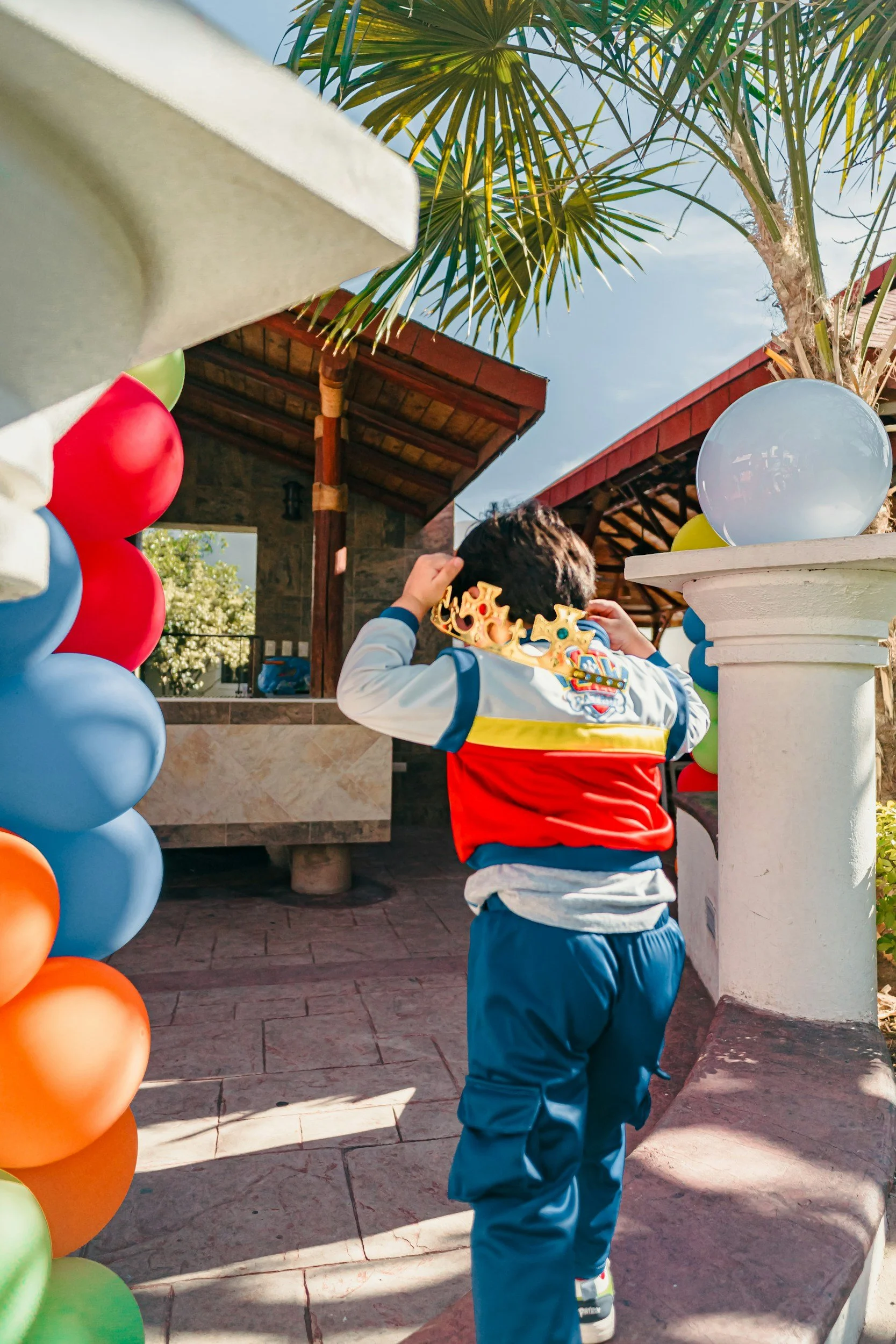
For many neurodivergent children, anxiety and sensory overload are not separate problems but two parts of one loop. Overwhelming sensory experiences can be genuinely distressing, and a child who has been overwhelmed before may start to anticipate it, becoming anxious about the assembly, the party or the classroom because of how it felt last time.
There is some evidence this can run in a particular direction over time. Studies with autistic toddlers have found that early sensory over-responsivity predicts later anxiety, rather than the other way around, suggesting that for some children, difficult sensory experiences come first and anxiety builds on top. Researchers have proposed several explanations for the overlap, including that sensory over-responsivity leads to a sense of an unpredictable, uncontrollable environment, which then drives avoidance and anxiety.
The practical takeaway is that supporting one often helps the other. Making an environment more sensory-friendly can lower a child's baseline anxiety, and helping a child manage anxiety can make sensory demands feel more tolerable.
Keep a simple record of the pattern
Because a single incident rarely reveals the cause, it helps to track a few over a couple of weeks. Without trying to interpret anything in the moment, note what was happening just before the distress, what the environment was like (noise, lights, crowds, smells), whether the child seemed worried in advance, how long the distress lasted and, most usefully, what actually helped it settle.
Patterns often emerge quickly. Distress that reliably appears in loud, bright or crowded settings points towards sensory overload. Distress that builds ahead of tests, social situations or separations, and eases with reassurance, points towards anxiety.
Why the difference matters
Telling anxiety and sensory overload apart matters because the right response is different for each and using the wrong one can make things worse.
For anxiety, gradual, supported steps towards a feared-but-safe situation usually help. Avoiding everything that feels scary tends to shrink a child's world and strengthen the worry over time.
For sensory overload, the answer is accommodation, not exposure. Genuinely painful or overwhelming sensory input is not something a child should be asked to push through and tolerate. Pushing a child to endure real sensory distress in the name of building resilience tends to increase distress and erode trust.
This is the crux of our neuro-affirming approach: exposure is appropriate for an over-active alarm system, but accommodation is appropriate for a real sensory need. Working out which is which is one of the most valuable things a good assessment and therapist can do.
How to help at home and school
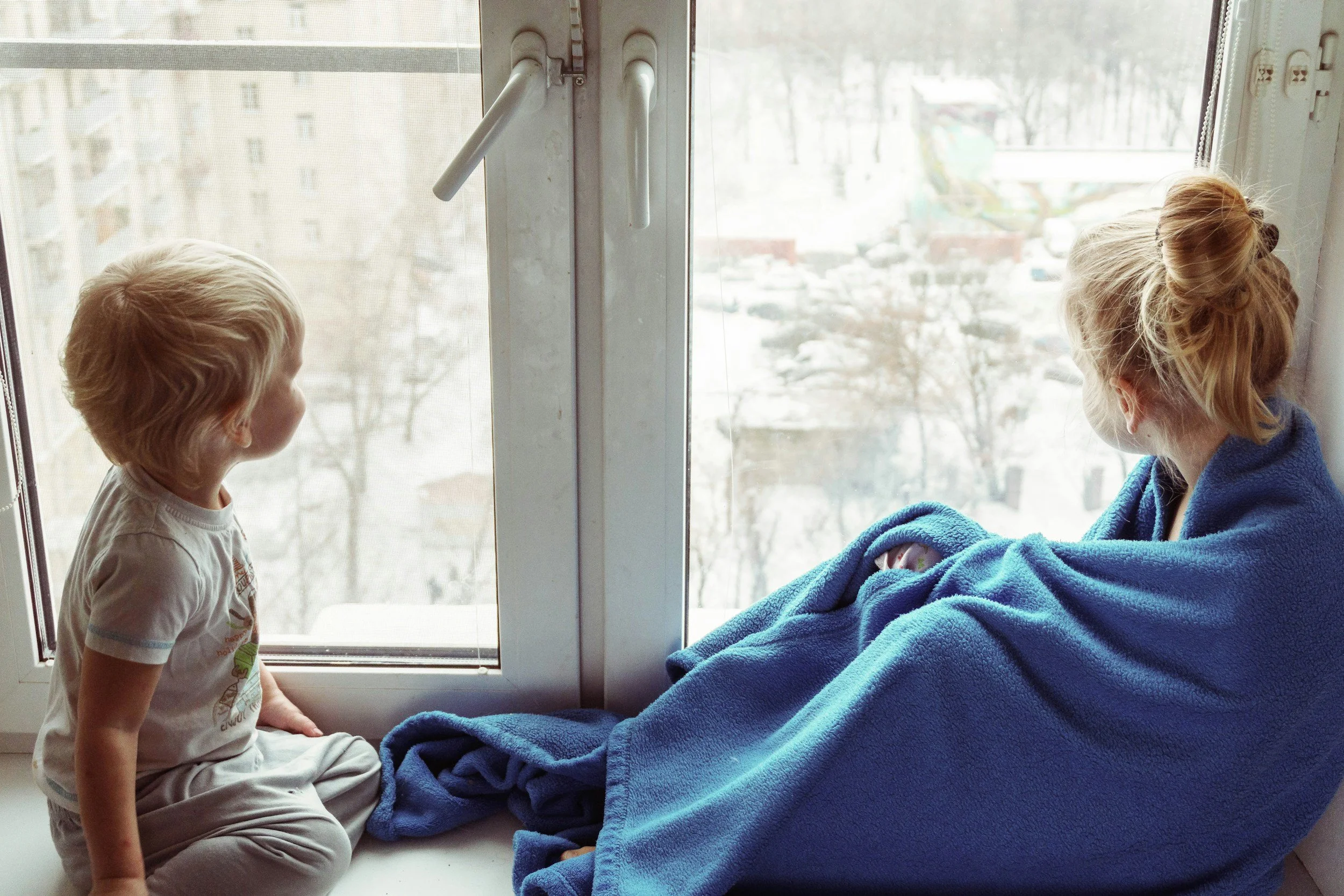
Calm co-regulation, including a quiet voice, fewer words, and physical safety, can settle an overwhelmed nervous system, whatever the cause. Predictable routines and advance notice of change reduce both anxious anticipation and sensory surprises. A permitted quiet space with a discreet exit pass gives a child somewhere to regulate before things tip over. Respecting a child's own regulation strategies, including headphones, movement, stimming, or a preferred item, matters too; these are often doing real work, even when they may seem a bit unusual.
For sensory needs, adjust the environment: reduce noise and visual clutter, allow ear defenders, rethink uncomfortable clothing, and plan for predictably overwhelming settings like assemblies.
For anxiety, validate the feeling without confirming the worst-case prediction, and support small, manageable steps rather than removing every challenge.
When to seek professional support
It's worth seeking support when distress, whatever its source, regularly interferes with school, sleep, eating, friendships or everyday participation, or when your child seems increasingly restricted in what they're willing to do. A thorough assessment can look across anxiety, sensory processing, autism, ADHD, learning and physical health, because the same behaviour can have very different causes.
Take any mention of self-harm or suicide seriously, even during a brief but intense episode. In an emergency in New Zealand, call 111. Free call or text 1737 any time to talk with a trained counsellor, or contact Youthline on 0800 376 633 or free text 234. For health advice, Healthline is available 24/7 on 0800 611 116.
How Acorn supports both anxiety and sensory needs
At Acorn, we support neurodivergent children, young people and their whānau across Tāmaki Makaurau, with practitioners who work across exactly this overlap. Our occupational therapists focus on sensory processing and self-regulation, while our mental health counsellors use neuro-affirming approaches for anxiety and emotional regulation. Our autism and ADHD assessments can help untangle what's driving your child's distress in the first place.
Parent coaching and positive behaviour support help home and school feel calmer and more predictable. Because our multidisciplinary team looks at the whole child rather than one label, we can consider anxiety and sensory needs together and build support that fits how they interact for your child.
We can help work out whether you're seeing anxiety, sensory overload or a tangle of both.