
Anxiety in Autistic and ADHD Teens: Why It Often Goes Unnoticed
Your teenager's school reports are fine. Their teachers describe them as quiet, polite, maybe a bit of a daydreamer. Nobody has phoned home.
And yet, most afternoons, they arrive back flat, snappy or in tears. They stop eating dinner with everyone. Sunday nights become unbearable. They tell you they are fine, then stop going to their sports club, then stop replying to friends.
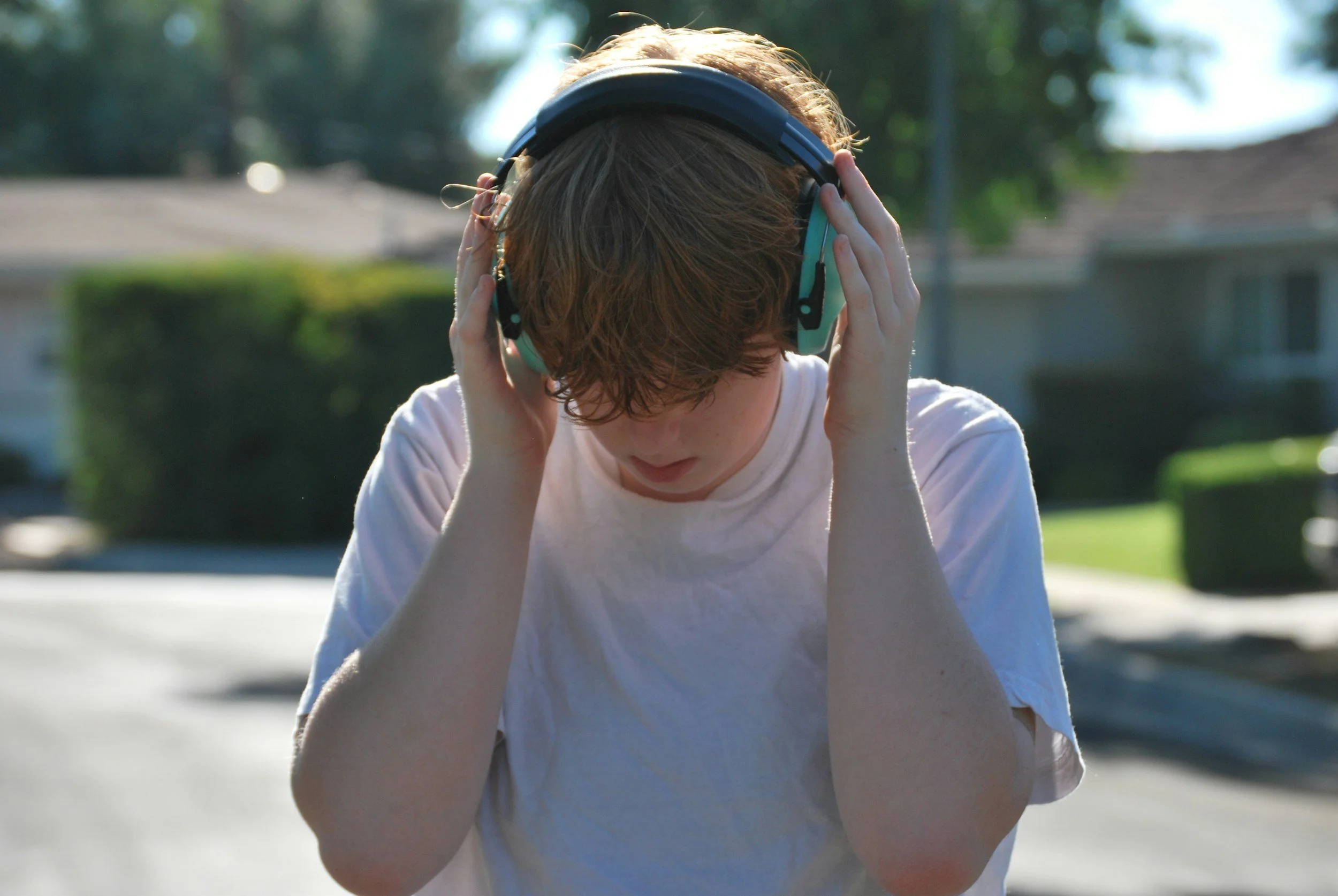
For many autistic and ADHD teens, anxiety may not be not loud. It can be held together all day and released at home, or expressed as irritability, avoidance, exhaustion or "not trying."
By the time the adults around them recognise it, the young person may have been managing it privately for years.
How common is anxiety in autism and ADHD teens?
Anxiety is one of the most frequently reported co-occurring experiences for neurodivergent young people, although reported rates vary widely depending on how anxiety is measured and who is asked.
For autistic young people, a meta-analysis of 31 studies involving more than 2,000 under-18s found that 39.6% had at least one anxiety disorder, most commonly specific phobia, followed by OCD and social anxiety disorder. Across the wider literature, estimates have ranged from around 22% to 84%. Meta-analysis of anxiety disorders in autistic young people| PubMed| CentralWiley Online Library
For ADHD, a 2025 systematic review of 121 studies covering nearly 40,000 children and adolescents found anxiety disorders among the most common co-occurring conditions with ADHD and Autism. Review of psychiatric comorbidity in ADHD
The practical message is not about a precise number. It is that anxiety is common enough among neurodivergent teens that it is worth actively looking for, and that a young person who has never mentioned worry may still be carrying a great deal of it.
Why neurodivergent teens are more likely to experience anxiety
Anxiety is not an inevitable feature of being autistic or having ADHD. It usually develops in the gap between a young person's needs and the environment they are asked to manage.
Adolescence widens that gap. Secondary school introduces multiple teachers, crowded corridors, shifting friendship groups, unspoken social rules, assessment pressure and far more responsibility for organising themselves. At the same time, teenagers become much more aware of how they are perceived by others.
For a neurodivergent young person, this can mean:
Constantly monitoring whether they are getting social interactions "right"
Accumulated experience of correction, exclusion or academic difficulty
Sensory demands that are genuinely uncomfortable, not just unfamiliar
Uncertainty about what is coming next, and no control over changes
Executive functioning demands that make deadlines feel overwhelming
A growing belief that they are the problem
Anxiety, in this context, is often a reasonable response to sustained pressure, not a sign that something is wrong with the young person.
What does anxiety look like in a neurodivergent teenager?
Anxiety in neurodivergent teens is frequently missed because it may not look like ‘worry’. It may look like behaviour that families struggle to navigate, or like nothing much at all.
Possible signs include:

Irritability, arguing or a short fuse, particularly at home
Refusing or dropping activities they previously enjoyed
Perfectionism, or being unable to start work in case it isn't good enough
Long delays on assignments, then panic near the deadline
Frequent headaches, nausea, stomach aches or dizziness
Difficulty falling asleep because thoughts will not slow down
Needing to know exactly what will happen, and becoming distressed by change
Repeated reassurance-seeking, or repeatedly checking messages
Withdrawing to their room, or into screens, for long periods
Reluctance to eat in public, use school toilets or speak in class
Increased shutdowns, meltdowns or self-directed anger
Attendance slipping, starting with the hardest periods of the week
A teenager does not need to say "I feel anxious" to be anxious. Many communicate it through their body, their behaviour or what they stop doing.
Masking: when anxiety is deliberately hidden
Some young people manage school by consciously suppressing how they are actually feeling. This is often described as masking or camouflaging: rehearsing conversations, copying peers, forcing eye contact, staying silent, laughing along, appearing "fine."
Masking can work, in the short term. It can also be costly. A study of 733 autistic children and adolescents found that camouflaging significantly predicted internalising symptoms—anxiety, depression and physical complaints—even after accounting for age, gender and IQ. Research on camouflaging and mental health in autistic young peoplenih
Masking also has consequences for whether a young person gets help at all. A systematic review found that the effects of social masking included delayed diagnosis and delayed access to timely support, contributing to burnout, lower self-esteem and confusion about identity. In research with socially anxious adolescents, young people who rated their own autistic traits, anxiety, and depression as higher than their caregivers did, reported greater camouflaging. This means the teenagers who mask the most may be the ones the adults around them worry about least. Study on camouflaging and parent–teen report differencesnihnih
This is why "but the school says they're doing well" may not explain the full story. It may be evidence of attention going to masking rather than to wellbeing.
Why does my teen fall apart after school?


A young person who holds everything together for six hours has spent that time regulating sensory input, decoding social expectations, tracking instructions, and hiding distress. Home is the first place they feel it is safe enough to stop.
The collapse that follows—tears, rage, silence, a slammed door—is usually depletion rather than defiance, and usually a sign of how much effort the day required.
What tends to help:
A genuine decompression period before questions, homework or chores
Fewer words on arrival, and no debrief until they are ready
Food, movement, quiet or a preferred interest, whatever settles them
Reminding yourself that they will continue to learn and grow
If the afternoon collapse is happening daily, the load at school may be too high for your teen. This is worth raising with the school, rather than managing alone at home.
Is it anxiety, sensory overload, or burnout?
These can look similar and often overlap, but they call for different responses.

Anxiety tends to involve anticipation and prediction: something bad might happen, so the young person may engage in avoidance, checking, or seeking reassurance. Gradual, supported steps towards the feared situation can help with learning that they are, in fact, safe.
Sensory distress is distinctly different. Fluorescent lighting, hall noise or a scratchy uniform can be genuinely painful or overwhelming for neurodivergent teens. The answer is accommodation, not exposure. Asking a young person to tolerate real sensory pain to "build resilience" tends to increase distress and damage trust.
Burnout looks like a longer-term loss of capacity: skills that were previously available disappear, exhaustion becomes constant, and demands that were manageable last term are no longer possible. Burnout usually requires reduced demands and genuine recovery time before any skill-building will hold.
Working out which is which—or in what combination—is one of the most useful things an assessment with a therapist can do.
How whānau can support an anxious neurodivergent teen

Respect their coping strategies. Stimming, headphones, routines, deep interests, and time alone are often effective regulation, even when they look unusual to a neurotypical observer. Removing them rarely reduces anxiety.
Validate the feeling without confirming the prediction. "It makes sense that maths feels awful right now" is different from "you're right, you'll never manage it."
Reduce reassurance gradually. After answering once, move towards their plan: "What could you do if you still feel like that when you get there?"
Support brave steps, not calm performance. Progress is participating while anxious, not waiting until the anxiety disappears.
Protect time where they feel competent. Interests, community, friendships that don't require masking, and unstructured time with no goal attached.
Notice genuine problems. Bullying, exclusion, and inaccessible teaching are real and common. Not every anxious reaction is a misinterpretation.
Talk about neurodivergence openly and positively. Young people who understand their own mind are better placed to ask for what they need than those who conclude they are simply failing.
What helps at school

Having home and school working in the same direction is likely to make a substantial difference. Useful adjustments often include:
A named adult for regular, low-key check-ins
Advance notice of changes, relievers, trips, and assessments
Written instructions alongside spoken ones
Support to begin and break down longer assignments
A quiet, permitted place to regulate, with a discreet exit pass
Private rather than public correction or feedback
Alternatives to presentations and unstructured group work while confidence builds
Structured options at interval and lunch
Active monitoring for bullying and social exclusion
Set the plan in writing, and book a date to review what worked for your teen.
When should you seek professional help for teen anxiety?
It is worth seeking support when anxiety:
Regularly interferes with school attendance or participation
Affects sleep, eating or physical wellbeing
Causes frequent panic, distress or emotional outbursts
Is steadily narrowing what your teen is willing to do
Requires constant reassurance or checking
Is damaging friendships or family relationships
Involves unhelpful coping such as alcohol or other substance use
Contributes to hopelessness, shame or low self-worth
Anxiety in teenagers is treatable. A meta-analysis of 19 randomised controlled trials found support for CBT reducing anxiety in autistic young people in the period immediately following treatment, with the size of the gains depending on whether clinicians, parents or the young person rated the symptoms. Meta-analysis of CBT for anxiety in autistic youth.
For neurodivergent teens, the approach usually needs a clear structure, concrete language, visual supports, processing time and interests built in. Frontiers
Take any mention of self-harm or suicide seriously, including during an intense but brief emotional episode. In an emergency in New Zealand, call 111. Free call or text 1737 any time for confidential support from a trained counsellor, or contact Youthline on 0800 376 633 or free text 234. For health advice, Healthline is available 24/7 on 0800 611 116.
The goal isn't a teenager who never feels anxious

Some anxiety is useful. It helps young people prepare, take care, and recognise real risk.
The goal is a teenager who understands what their alarm system is doing, who has strategies that suit their brain rather than someone else's, who is in an environment adjusted enough that they are not running on empty, and who does not have to hide who they are in order to get through the week.
That combination of self-understanding, practical skills and suitable settings allow anxiety to loosen its grip on a young person's choices.
If your teen is struggling right now
Working out what sits underneath your teenager's anxiety is a lot to carry, particularly when they aren't telling you much.
At Acorn, we support neurodivergent children, young people, and their whānau across Tāmaki Makaurau. Depending on what's going on, that might include autism and ADHD assessment, neuro-affirming mental health counselling for anxiety and emotional regulation, occupational therapy for sensory and regulation needs, ADHD coaching for teens, or parent coaching.
Our multidisciplinary team works alongside families and schools, so support at home and in the classroom points the same way.
Whether you're at the wondering stage or ready to book, we'd be glad to hear from you.